🇳🇬 Nigeria 5G Technology 2025: How Faster Internet Is Transforming Daily Life and Business
By DAYO ADESULU
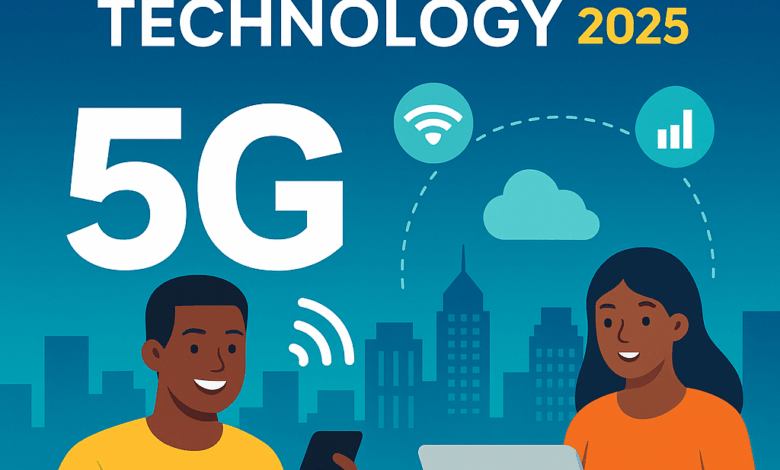
The rollout of Nigeria 5G technology 2025 is redefining what it means to live, work, and connect in the country. Since MTN and Airtel launched 5G services, cities like Lagos, Abuja, and Port Harcourt have seen a digital transformation — faster internet, smarter homes, and new opportunities for innovation.
From small business owners using e-commerce platforms to students streaming online classes, Nigerians are now experiencing the benefits of ultra-fast internet in everyday life.
Why 5G stands out: More than just speed
Many Nigerians still ask, “What makes 5G so different from 4G?” The answer lies in its intelligence, reliability, and capacity.
While 4G brought speed, Nigeria’s 5G technology 2025 brings real-time communication between millions of devices. It reduces latency — the delay between sending and receiving information — making transactions, video calls, and streaming instant.
For small and medium businesses, 5G is a productivity breakthrough. Entrepreneurs can now hold cloud meetings, upload large files, and manage digital operations in seconds — boosting efficiency and customer satisfaction.
How 5G is empowering Nigeria’s economy
The expansion of Nigeria 5G technology 2025 is powering multiple sectors across the economy:
Fintech: Apps like OPay, PalmPay, and Moniepoint now process thousands of transactions per second with fewer network downtimes.
E-commerce: Jumia and Konga are using 5G-powered analytics for real-time delivery tracking and smarter logistics.
Agriculture: Smart farming tools powered by 5G IoT sensors are helping farmers monitor weather and soil data instantly.
Healthcare: Telemedicine is connecting patients in remote communities to doctors in major hospitals — improving healthcare access.
Experts predict that Nigeria’s 5G network could add more than $10 billion to the GDP by 2025, thanks to improved innovation, automation, and digital productivity.
Everyday Nigerians are living the change
The impact of Nigeria 5G technology 2025 goes beyond business — it’s transforming daily life.
University students now stream live lectures without buffering. Remote workers collaborate on global projects through video calls and cloud tools. Families enjoy seamless entertainment, while gamers experience lag-free online play for the first time.
In short, 5G is not just an upgrade — it’s changing how Nigerians connect to opportunity.
NCC and telecoms driving 5G expansion
The Nigerian Communications Commission (NCC) has been a major driver of the Nigeria 5G technology 2025 strategy. It continues to expand broadband coverage, issue licenses, and promote local infrastructure development.
Telecom giants MTN and Airtel are equally committed. Both companies are extending 5G coverage to more states, including Enugu, Kano, and Rivers, making access broader and more inclusive.
This synergy between government regulators and the private sector remains crucial in sustaining the country’s 5G growth momentum.
Overcoming adoption challenges
Still, Nigeria’s 5G rollout faces some challenges. The high cost of 5G-enabled devices, data affordability, and inconsistent power supply in rural areas slow expansion.
Many Nigerians still rely on 3G and 4G smartphones, leaving a large segment of the population behind. However, experts say that with better infrastructure, affordable devices, and public education, 5G inclusion will spread faster.
A connected Nigeria: The road ahead
The vision for Nigeria 5G technology 2025 extends beyond faster downloads. It’s about building a connected society — where smart cities, AI-powered services, and digital inclusion drive national progress.
From automated traffic systems to remote learning and digital farming, 5G is laying the foundation for Nigeria’s next phase of technological growth.
As 2025 unfolds, one thing is clear: Nigeria’s 5G revolution is no longer coming — it’s here, shaping how the nation lives, works, and thrives.
Discover how Nigeria 5G technology 2025 is transforming daily life, boosting businesses, and driving national innovation through ultra-fast internet and digital connectivity.