Deepfakes Are Fooling the World: How Journalists Can Spot AI Videos Before They Go Viral
By DAYO ADESULU
As a journalist, nothing matters more than credibility. Once trust is lost, it is almost impossible to regain. That reality weighs heavily today, especially as artificial intelligence–generated videos flood social media timelines, messaging apps, and even newsrooms.
I do not want to publish fake news. Yet, like many reporters across the world, I now face a daily challenge: how to confidently tell an AI-generated video from a real one before the damage is done.
This is no longer a distant problem. It is here. And it is evolving faster than our traditional verification habits.
The Growing Threat of AI-Generated Videos
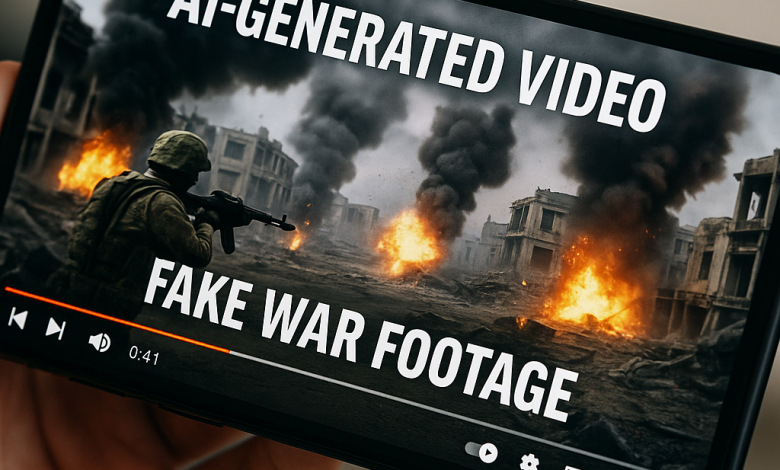
AI-made videos, often called deepfakes, are created using machine learning tools that can realistically manipulate faces, voices, and movements. In some cases, they place real people in events that never happened. In others, they fabricate speeches, protests, or confessions that feel disturbingly authentic.
For journalists, the danger is obvious. A single unverified video can spark outrage, influence public opinion, or escalate political and religious tension. Once published, even a correction may not undo the harm.That is why identifying artificial intelligence–made videos has become a core skill of modern journalism.
Start With the Human Eye: Visual Red Flags
The first step still begins with careful observation. While AI videos are improving, many still leave subtle visual clues behind.
Watch the face closely. Pay attention to blinking patterns. AI-generated faces may blink too little, too much, or unnaturally. Facial expressions can also feel stiff or slightly delayed compared to speech.
Next, observe the mouth and lips. Lip-sync errors remain common. The words may not perfectly align with mouth movements, especially during fast speech or emotional emphasis.
Also, examine the background. AI tools often struggle with complex scenes. Look for warped objects, distorted hands, irregular shadows, or flickering edges around the subject. These small inconsistencies matter.
Listen Carefully: Audio Often Tells the Truth
Sound is another critical giveaway. AI-generated voices may sound polished but emotionally flat. There may be odd pauses, robotic intonation, or mispronounced words that do not match the speaker’s known accent or speech pattern.
Compare the voice in the video with verified recordings of the same person. Journalists should maintain audio archives of public figures for this exact reason. A mismatch in tone, pace, or pronunciation can be a red flag.
Equally important, check whether background noise matches the setting. A busy street with no ambient sound should raise suspicion.
Verify the Source Before the Story
One of the most reliable principles of journalism still applies: check the source.
Where did the video first appear? Was it posted by a verified account, a known organization, or an anonymous page created days ago? Videos that emerge from closed messaging platforms or newly created social media accounts deserve extra scrutiny.
Ask direct questions. Who recorded it? When? Where? With what device? A genuine eyewitness can usually provide basic details. AI-generated content often comes with vague or evasive answers.
Use Technology to Fight Technology
Ironically, the same technology creating fake videos can also help detect them.
Several AI-detection tools now analyze videos for signs of manipulation, including pixel inconsistencies, facial mapping errors, and audio anomalies. While no tool is perfect, they provide an additional layer of assurance.
Reverse image and video searches also help. Extract frames from the video and check if they appear elsewhere online. Sometimes, an “exclusive” video turns out to be recycled footage with altered audio or visuals.
Cross-Check With Independent Evidence
A real event usually leaves multiple traces. Other videos. Photographs. Eyewitness reports. Official statements. Satellite images.
If a dramatic incident appears in only one video with no supporting evidence, pause. Journalism is not about speed alone. It is about accuracy. Contact local reporters, community leaders, or authorities in the claimed location. Even a brief confirmation or denial can prevent a costly mistake.
Slow Down the Newsroom Clock
Perhaps the hardest discipline today is resisting pressure. Social media rewards speed, not caution. However, publishing first is meaningless if the story is wrong.
Editors must give reporters time to verify visual content thoroughly. Newsrooms should adopt clear policies for handling AI-suspected videos, including mandatory verification steps before publication.
In uncertain cases, transparency matters. Clearly state what is verified, what is unconfirmed, and what is still under review.
Journalism’s Responsibility in the AI Age
Artificial intelligence is not going away. It will get better. Videos will become more convincing. The line between real and fake will blur further.
Yet journalism must hold its ground.
Accuracy remains our strongest defense. Skepticism is no longer optional. It is essential.
As journalists, our duty is not just to report what we see, but to question how we are seeing it. In doing so, we protect not only our profession, but the public trust that depends on it.
Focus key phrase: how to identify AI-generated videos