🚨 China Strongly Opposes US-Led Economic Pressure Over Ukraine War

SEO Meta Description: China strongly opposes US-led calls to impose economic pressure on Beijing over the Ukraine war, stressing neutrality while deepening ties with Russia.
China Pushes Back Against US Pressure
Beijing has firmly rejected calls to impose economic pressure on China following remarks by US President Donald Trump, who urged European countries to align with Washington’s stance over Russia’s war in Ukraine.
China’s foreign ministry spokesperson, Guo Jiakun, told reporters on Friday that Beijing was “neither creator of this crisis nor a party to it”, stressing that attempts to “drag China into the matter” are unacceptable.
“We firmly oppose the practice of constantly dragging China into the matter, and we strongly oppose the imposition of so-called economic pressure on China,” Guo stated.
Trump’s Push in Paris Meeting
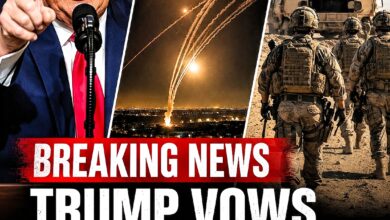
During a video conference with European leaders gathered in Paris on Thursday, Trump reportedly urged them to increase pressure on China. He also called on Europe to halt purchases of Russian oil, which he argued was helping Moscow finance the ongoing war in Ukraine.
A senior White House official told AFP, on condition of anonymity, that Trump pressed for “united action against Russia’s enablers.”
China’s Balancing Act: Neutrality vs. Alliance
Since the start of Russia’s invasion of Ukraine in February 2022, China has maintained what it calls “neutrality”, avoiding direct criticism of Moscow while repeatedly calling for peace negotiations.
- Beijing blames the West for “prolonging the conflict” by sending weapons to Ukraine.
- Meanwhile, its economic and political ties with Moscow have deepened significantly, reinforcing their “no limits partnership.”
China continues to walk a fine diplomatic line: appealing to peace while showing solidarity with Russia.
Xi Jinping’s Symbolic Show of Unity
Earlier this week, China’s President Xi Jinping stood alongside Vladimir Putin and North Korean leader Kim Jong Un at a massive military parade marking 80 years since the end of World War II.
The move sparked sharp criticism from the European Union’s top diplomat and other Western officials, who viewed the joint appearance as a direct show of support for Moscow.
China, however, defended the decision, stating that the event was meant to “work together with peace-loving countries and peoples to remember history.”
When pressed by reporters on whether Beijing considered Putin’s Russia a “peace-loving country”, Guo Jiakun declined to answer directly.
What This Means for Global Geopolitics
China’s stance is likely to widen divisions between Western powers and Beijing:
- For the US & Europe: They see China as a quiet enabler of Russia, providing economic relief amid sanctions.
- For China: It positions itself as a neutral mediator while deepening economic partnerships with Moscow.
- For Russia: Beijing remains a critical lifeline, especially as sanctions continue to bite.
Analysts warn that continued Western pressure on China could escalate tensions not only over Ukraine but also in the broader US-China rivalry.
FAQs
1. Why is China being pressured over the Ukraine war?
Because of its close ties with Russia, many Western nations suspect Beijing of indirectly supporting Moscow.
2. Has China condemned Russia’s invasion?
No. China has not condemned the invasion and instead calls for peace talks.
3. What did Trump urge European leaders to do?
Trump asked Europe to stop buying Russian oil and to place economic pressure on China.
4. Does China provide weapons to Russia?
There is no confirmed evidence of direct military aid, though China supplies dual-use goods and maintains strong trade ties.
5. Why was Xi Jinping with Putin and Kim Jong Un at a military parade?
Beijing said it was part of commemorating WWII history, but Western critics see it as support for Russia.
6. What’s next for China’s role in the Ukraine war?
China will likely continue promoting “neutrality,” but its deepening partnership with Russia may fuel more Western pressure.
Conclusion
China’s rejection of US-led calls for economic pressure underscores the geopolitical rift deepening between Beijing and the West. While China insists it is a neutral party, its growing partnership with Russia complicates global diplomacy over the Ukraine war.
The world now faces a triangular standoff — the US and Europe on one side, Russia on another, and China balancing between neutrality and partnership.