16 Years After Gani Fawehinmi’s Death: Was the People’s Lawyer Failed by Nigeria’s Healthcare System?
By DAYO ADESULU
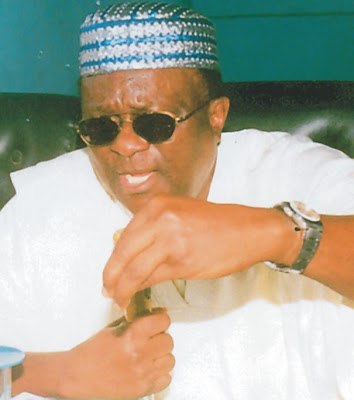
Sixteen years ago, on September 5, 2009, Chief Ganiyu Oyesola Fawehinmi (SAN, SAM) — Nigeria’s “People’s Lawyer” — bowed to death after a harrowing battle with lung cancer. He was 71.
Until his last breath, Fawehinmi embodied defiance against oppression. He defended the poor pro bono, challenged military juntas, and confronted corrupt leaders head-on. But in a cruel twist of fate, when he needed the system the most, he became a victim of the very rot he had fought against: Nigeria’s failing institutions — in this case, its healthcare sector.
The Road to Misdiagnosis
In his final interview, Fawehinmi narrated a disturbing medical journey. For years, his doctors treated him for common ailments — high blood pressure and heart concerns — without ever suspecting cancer.
“The doctors were looking at my usual ailments. They never thought I could have lung cancer since I don’t smoke or drink,” he recalled.
By early 2007, he experienced worsening pains after delivering a public lecture. Doctors diagnosed pneumonia, prescribing antibiotics. When his condition deteriorated further, he was warned of an imminent heart attack. None of these diagnoses captured the reality: lung cancer was silently consuming him.
It was only when his childhood friend and cardiologist, Dr. Mike Fadayomi, intervened with an X-ray that the truth surfaced. His left lung was badly damaged. Urgent referral to London’s Royal Brompton Hospital confirmed the worst — a tumour that had gone undetected despite years of “thorough” check-ups both in Nigeria and abroad.
The Big Questions
The tragedy of Gani Fawehinmi’s death raises uncomfortable questions:
- How did multiple Nigerian doctors miss early signs of lung cancer?
- Why was diagnosis anchored on stereotypes — assuming a non-smoker could not develop lung cancer?
- Was there negligence in failing to conduct more advanced screening, despite his persistent complaints?
- What does it say about Nigeria’s elite medical culture that even with annual foreign check-ups, cancer detection still came late?
For a man of his influence and resources to fall victim to late diagnosis exposes the vulnerability of millions of ordinary Nigerians with far less access to healthcare.
Healthcare System on Trial
Medical experts argue that Fawehinmi’s case was symptomatic of a systemic problem. Nigerian hospitals, even some of the best, lacked cutting-edge diagnostic tools and comprehensive cancer screening programmes at the time. Doctors often relied on outdated procedures, and referrals for advanced imaging or biopsies were rare unless patients had obvious symptoms.
Even after diagnosis abroad, his treatment reflected another systemic flaw: Nigeria’s dependence on foreign medical systems. The very idea that Gani had to be “flown abroad” highlights the lack of confidence in local cancer care infrastructure — a problem that persists today.
Negligence or Systemic Failure?
Some critics suggest that Gani was let down by both individual negligence and systemic failure. On one hand, his doctors repeatedly dismissed serious symptoms as routine ailments, reflecting a lack of thorough investigation. On the other, the broader system offered no safety net — no nationwide cancer screening, no world-class oncology centres, and no culture of second opinions within Nigeria’s medical practice.
Ultimately, his reliance on powerful drugs after surgery in London prolonged his life but silenced his once-fiery voice. For a man whose weapon was his voice, that was an especially cruel blow.
Legacy Overshadowing the Pain
Yet, Gani refused to be silenced completely. Even during his illness, he rejected the national honour of OFR in 2008, declaring that the government had failed its citizens. His final years were marked not by retreat but by defiance — proof that illness could weaken his body but never his convictions.
Sixteen years later, Nigerians celebrate his legacy, but also confront the painful reality his death revealed: a country where cancer kills not only because it is aggressive, but because detection comes too late, treatment is inconsistent, and healthcare systems fail those who depend on them.
Conclusion
Chief Gani Fawehinmi’s death was not just a personal tragedy — it was a national indictment. His misdiagnosis, delayed treatment, and eventual death highlight the urgent need for systemic healthcare reform in Nigeria. If a man of Gani’s stature could be mismanaged medically, what hope is there for millions of ordinary citizens battling cancer today?
Sixteen years after, Nigeria owes him more than tributes. The greatest honour to the People’s Lawyer is not just remembering his fight for justice, but ensuring that the healthcare failures that contributed to his death do not continue to claim more lives
#GaniFawehinmi #HealthcareInNigeria #CancerAwareness #HumanRights #NeverForgetGani