

🚨 Alarming Surge: Debt Service Payments by Developing Countries Skyrocket to $921 Billion in 2024
By DAYO ADESULU
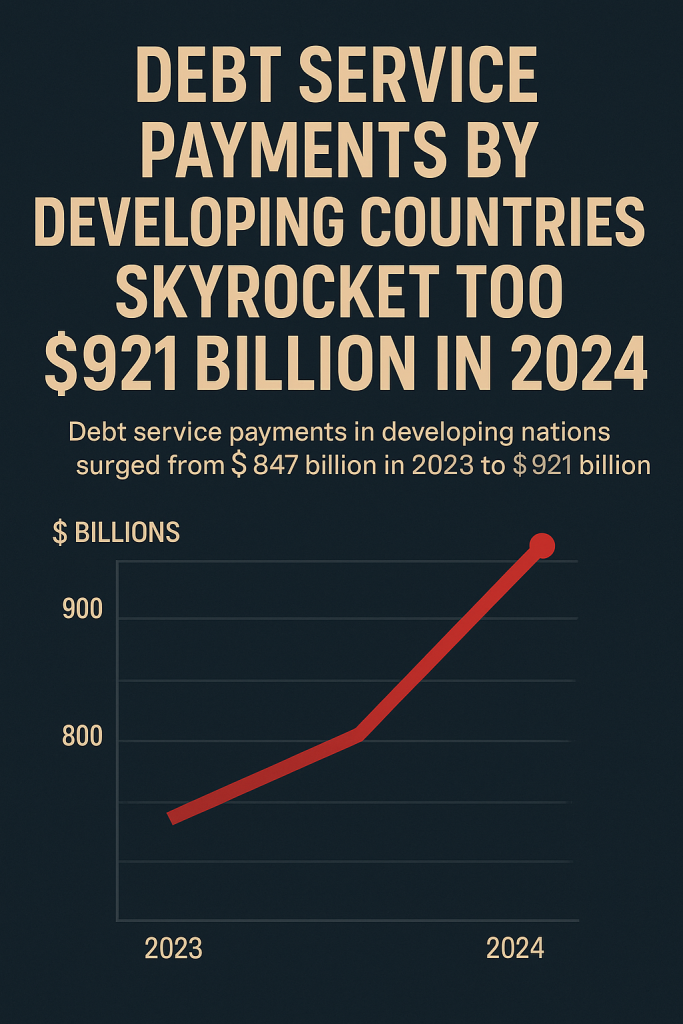
Debt service payments by developing countries surged to $921 billion in 2024, up by $74 billion from 2023, according to a new UN report urging urgent reforms.
📊 Overview: Debt Service Payments by Developing Countries Reach Record Levels
A new United Nations report titled “Confronting the Debt Crisis: 11 Actions to Unlock Sustainable Financing” has revealed a dramatic increase in debt service payments by developing countries, soaring from $847 billion in 2023 to a staggering $921 billion in 2024—an alarming $74 billion rise within just one year.
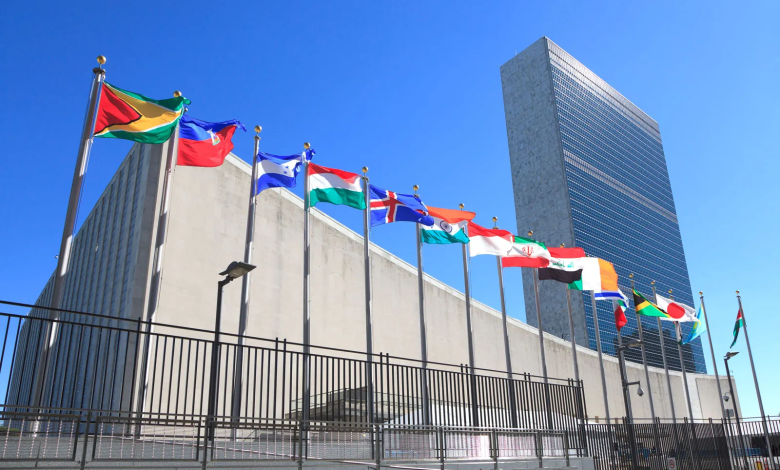
Released on Friday, the report was launched by UN Deputy Secretary-General Amina Mohammed, alongside global economic leaders including Mahmoud Mohieldin, Paolo Gentiloni, and Rebeca Grynspan of the UN Conference on Trade and Development (UNCTAD).
- IMF, United Nations, Forecast Imminent Worst Global Recession
- https://www.thecheernews.com/united-nations-nigeria-partners-sterling-one-foundation-to-co-convene-asis-2024/
🌍 A “Silent Crisis” Threatening Global Development
The report paints a sobering picture: a “silent crisis” is unfolding in low-income and developing nations, where mounting debt repayment is diverting crucial resources from health, education, and development.
“Borrowing is critical for development. But today, borrowing is not working for many developing countries,” stated Amina Mohammed.
According to the report:
- Over 3.4 billion people now live in countries that spend more on interest payments than on health or education.
- That’s 100 million more than just last year.
- Over two-thirds of low-income countries are either in debt distress or dangerously close.
📈 What’s Driving the Crisis?
Rising Debt Servicing Costs
European Commissioner Paolo Gentiloni emphasized the core problem:
“Practically, the debt servicing costs have doubled in the last ten years.”
High interest rates, depreciating currencies, and shrinking fiscal space have severely weakened the ability of these countries to invest in basic needs and sustainable development.
🔄 The UN’s 11-Point Rescue Plan
To tackle this growing debt crisis, the UN’s expert panel outlined 11 actionable steps, which are both technically feasible and politically viable. According to Mahmoud Mohieldin, the plan targets two overarching goals:
1. Provide Meaningful Debt Relief
- Repurpose and replenish global financial reserves
- Boost liquidity with special support for low-income countries
- Streamline debt restructuring processes
2. Prevent Future Debt Crises
- Establish a global borrower-creditor engagement platform
- Strengthen national institutions to manage fiscal risks
- Improve policy coordination and interest rate strategies
“These are eleven proposals that are doable,” said Rebeca Grynspan. “They just need the political will.”
🛑 The Call for Global Action
The recommendations in the report align with the upcoming Compromiso de Sevilla, the outcome document of the Fourth International Conference on Financing for Development. With world leaders scheduled to meet next week, this could be a decisive moment to address the structural issues burdening the Global South.
“A decade after the SDGs were adopted, progress is faltering. It’s time for bold, united action,” Amina Mohammed concluded.
🔚 Final Thoughts
The steep rise in debt service payments by developing countries is a crisis that can no longer be ignored. With billions at risk of losing access to basic services, the global community must prioritize debt relief, liquidity support, and fair financial structures.
❓ FAQs About Debt Service Payments by Developing Countries
1. Why are debt service payments by developing countries increasing so rapidly?
Due to rising interest rates, depreciating currencies, and a lack of liquidity, many developing countries are forced to borrow more, pushing debt servicing costs higher.
2. What does “debt distress” mean?
It refers to a situation where a country cannot meet its debt obligations without restructuring or defaulting.
3. How many people are affected by this debt crisis?
Over 3.4 billion people live in countries that now spend more on debt than health or education.
4. What is the Compromiso de Sevilla?
It is the policy framework that will be discussed at the upcoming international conference on financing for development, outlining strategies to ease global debt burdens.
5. What are the 11 UN recommendations aiming to solve?
They aim to both provide immediate debt relief and put long-term systems in place to prevent future debt crises.
6. Who are the key figures behind the UN debt report?
Amina Mohammed (UN Deputy Secretary-General), Paolo Gentiloni, Mahmoud Mohieldin, and Rebeca Grynspan played leading roles in launching and shaping the report.
🔗 External Resource
📘 Full UN Report – “Confronting the Debt Crisis”


