

Deadly Assumptions: 17 Reasons Nigerians Skip Medical Tests and Gamble with Drugs
By DAYO ADESULU
Average Nigerian Skip Medical Tests Before Using Drugs
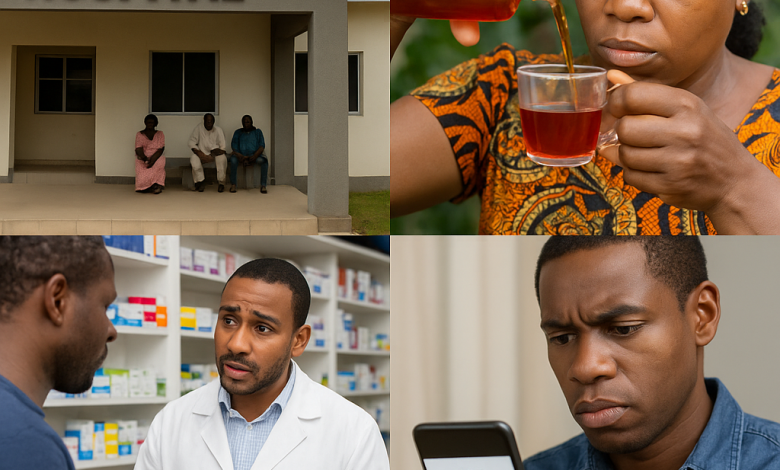
Nigeria, a nation of over 200 million people, is grappling with a deeply rooted culture of self-medication. Walk into any neighborhood pharmacy—often called a chemist—and you’ll find customers buying antibiotics, painkillers, or anti-malaria drugs without any form of diagnosis. This everyday behavior, while normalized, can have devastating health consequences. But why do so many Nigerians skip medical tests before using drugs?
The reasons are complex and interconnected—ranging from economic hardship to cultural influences and deep-rooted mistrust in the healthcare system. In this article, we uncover 17 detailed reasons why this trend persists and explore what can be done to shift the narrative.
- Dismissed DPO Jail Over Drug Trafficking
- https://www.thecheernews.com/prescribed-poverty-how-fake-drugs-and-empty-shelves-are-killing-nigerias-poor/
Overview of Healthcare Access in Nigeria
Infrastructure Gaps and Regional Divide
In rural areas, healthcare facilities are either non-existent or poorly equipped. Urban areas fare better, but overcrowding remains a challenge. Access to modern diagnostic tools is limited, especially in northern Nigeria. This lack of infrastructure discourages people from seeking proper medical care, driving them toward self-medication as a faster, cheaper alternative.
Cost of Medical Tests
Financial Constraints and Lack of Health Insurance
Most Nigerians live below the poverty line and cannot afford diagnostic tests that cost between ₦2,000 to ₦20,000 ($1.50–$15). Without government-funded health insurance schemes or universal healthcare, many prefer spending their limited resources on medication alone—hoping it will work—rather than confirming the root cause of their illness.
Cultural Beliefs and Traditional Medicine Influence
Trust in Herbal Remedies Over Hospitals
Nigeria’s rich cultural heritage includes strong belief systems in traditional medicine. From bitter leaf concoctions to “agbo” (herbal drinks), many people believe these remedies are safer and more effective than modern drugs. Often, this belief undermines the value of medical testing, especially when elders pass down these remedies.
Long Hospital Wait Times
Time Cost and Frustration in Public Clinics
The average wait time at government hospitals can be several hours—even for minor issues. This inefficiency discourages working-class Nigerians who cannot afford to waste time. They would rather visit a local chemist and describe their symptoms for an instant prescription than go through formal medical testing.
Misconceptions About Drug Use
Equating Symptoms to Diagnosis
There’s a common belief that if you’ve had a headache before and paracetamol worked, then that’s the solution every time. This self-diagnosis logic ignores the fact that symptoms like headaches can indicate anything from dehydration to meningitis or even malaria. But due to repeated past experiences, many Nigerians assume the same drugs will work again.
Peer and Family Influence
Advice from friends, neighbors, and elders often takes precedence over professional medical advice. People tend to trust the lived experiences of others over what they perceive as distant or complicated scientific methods like lab tests.
Fear of Serious Diagnosis
Avoiding a medical test often stems from the fear of discovering something worse—like cancer, diabetes, or HIV. Some believe that not knowing is better than knowing, which sadly leads to late detection and worsened health conditions.
Lack of Public Awareness
Health education in Nigeria is minimal. Many schools don’t teach basic biology or health science effectively, and public health campaigns are few and far between. As a result, most people don’t understand the importance of diagnosis and medical testing.
Minimal Health Campaigns
Government and NGOs are yet to fully invest in grassroots health education. Aside from sporadic radio jingles or billboards, there’s little effort to educate the public about dangers of self-medication and the value of proper testing.
Absence of Preventive Health Culture
The Nigerian healthcare culture leans heavily towards treatment rather than prevention. People visit hospitals only when extremely sick, not for checkups or testing. This mindset has made proactive testing seem like an unnecessary luxury.
Availability of Over-the-Counter Drugs
With hundreds of drugstores in every town, it’s easy to buy medications without prescriptions. Painkillers, antibiotics, and even controlled drugs are sold freely—making medical tests feel irrelevant to many buyers.
Role of Patent Medicine Stores (Chemists)
Often run by people with little to no formal medical training, these chemists offer advice based on anecdotal experience. Patients trust them more than hospitals due to accessibility, familiarity, and reduced cost.
Distrust in Medical Professionals
Sadly, many Nigerians have encountered rude, dismissive, or incompetent medical personnel. These negative experiences have eroded trust in hospitals and clinics, leading people to rely on self-medication or informal alternatives.
Socioeconomic and Educational Factors
Education levels significantly affect health behavior. Illiteracy makes it hard for people to understand medical advice or even read prescriptions. Combined with poverty, this creates a cycle where ignorance meets financial inability.
Religious and Spiritual Beliefs
Faith-based healing is a powerful force in Nigerian society. Some religious leaders discourage members from seeking medical tests, advocating prayer or fasting instead. While faith can be comforting, ignoring scientific diagnosis can be dangerous.
Digital Influence and Misinformation
Thanks to smartphones, many Nigerians now “Google” their symptoms and decide on treatments without verification. YouTube videos, social media influencers, and health blogs offer conflicting, sometimes harmful, advice.
Government and Policy Failures
Years of underinvestment in the healthcare sector, poor funding, and policy neglect have left most facilities dysfunctional. Without proper policies to enforce testing before drug dispensing, the culture of bypassing tests continues unchecked.
Real-Life Stories of Self-Medication Consequences
Amina’s Experience in Kaduna
Amina, a 29-year-old hairdresser in Kaduna, once had a persistent fever and body ache. Instead of visiting a clinic, she purchased malaria drugs from her local chemist. Days later, her condition worsened, and she collapsed at work. A hospital test later revealed she had typhoid, not malaria. The delay in proper diagnosis cost her more money and nearly her life.
Emeka’s Encounter with Antibiotic Resistance
Emeka, a student in Lagos, frequently self-medicated with antibiotics for sore throats. Over time, his body developed resistance, rendering antibiotics ineffective when he truly needed them. His doctor warned that future infections could become life-threatening due to this misuse.
These are just two among thousands of similar cases happening daily across Nigeria. They highlight the severe health consequences of skipping medical tests.
Expert Opinions on Why Tests Matter
Doctors and pharmacists across Nigeria emphasize the importance of diagnostic testing before medication. Dr. Funmi Ogundele, a general practitioner in Abuja, states:
“Many diseases have overlapping symptoms. Only a proper test can tell the difference between malaria, typhoid, or viral infections. Guesswork kills faster than the illness itself.”
Pharmacist Chinedu Nwankwo adds:
“Drugs are not snacks; they’re chemical substances. Using them without a diagnosis is dangerous and irresponsible.”
Healthcare experts consistently advocate for reforms, public education, and stricter regulations to combat self-medication and encourage diagnostic testing.
Solutions to Bridge the Gap
Solving this issue requires collective effort—from individuals to the government. Here are key strategies:
1. Subsidize Diagnostic Tests
The government should provide affordable or free diagnostic tests, especially for low-income households. Mobile clinics and outreach programs can also help serve rural communities.
2. Expand Health Insurance Access
The National Health Insurance Scheme (NHIS) needs restructuring and wider coverage so Nigerians can access proper testing without out-of-pocket payments.
3. Enforce Prescription Laws
Authorities must crack down on drugstores dispensing prescription medications without proper documentation. This will discourage casual drug use.
4. Massive Public Awareness Campaigns
TV, radio, and social media should be used to educate Nigerians on the dangers of self-medication and the value of medical tests.
5. Train and Monitor Patent Medicine Vendors
Since many people rely on them, it’s essential to equip these vendors with basic health training and regulate their operations.
6. Community-Based Health Education
Religious institutions, local leaders, and schools can help promote a culture of preventive healthcare and regular testing.
Frequently Asked Questions (FAQs)
1. Why do most Nigerians avoid medical tests before taking drugs?
Primarily due to cost, poor access to healthcare, long wait times, cultural beliefs, and misinformation. Many believe symptoms alone are enough to decide on treatment.
2. Is self-medication really dangerous?
Yes. It can lead to incorrect treatment, delayed diagnosis, drug resistance, or even death if underlying conditions are not properly identified.
3. Are medical tests affordable in Nigeria?
Prices vary widely. While some basic tests are affordable, more complex ones are out of reach for many without health insurance or government support.
4. What role do chemists (patent medicine stores) play in this problem?
Chemists often act as informal healthcare providers. Due to their accessibility and lower costs, many Nigerians bypass hospitals in favor of their advice—even without a diagnosis.
5. How can I tell if I need a medical test before taking drugs?
If your symptoms last more than two days, recur frequently, or are unusual, it’s advisable to consult a healthcare professional for proper testing.
6. What are some common drugs Nigerians take without testing?
Antibiotics, anti-malarials, painkillers, and blood tonics are commonly used without prescriptions or diagnoses.
Conclusion
The reasons the average Nigerian doesn’t do medical tests before using drugs are deeply rooted in economic, cultural, and systemic challenges. While self-medication offers a temporary escape, it often leads to bigger health problems.
But this trend can be reversed—with better awareness, improved healthcare access, responsible drug policies, and personal commitment to health. Every Nigerian deserves quality healthcare—and it starts with one decision: get tested before you treat.
- #HealthAwareness,
- #PublicHealth,
- #HealthcareMatters,
- #GetTested,
- #StayHealthy,
- #NigerianHealth,
- #NigeriaHealthcare,
- #NaijaHealth,
- #HealthInNigeria,
- #NigerianDoctors,
- #SelfMedication,
- #DrugAbuseAwareness,
- #MedicalTesting,
- #KnowYourDiagnosis,
- #AvoidSelfMedication,
- #HealthEducation,
- #StopMisinformation,
- #ThinkBeforeYouMedicate,
- #BeInformed,
- #SayNoToSelfMedication,
- #ConsultBeforeYouTreat,
- #TestBeforeTreatment,
- #EndDrugMisuse,


