
Temporary Hold on Increased Rates to Address Customer Feedback and Compliance
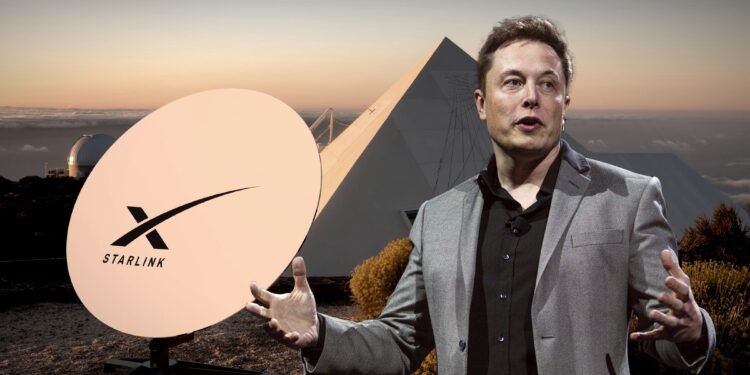
In a recent development, Starlink, the satellite internet service owned by Elon Musk’s SpaceX, has decided to suspend its planned increase in monthly internet subscriptions for Nigerian users. This decision comes as the company seeks to address ongoing regulatory challenges and customer concerns.
Price Increase Put on Hold
In a message sent to subscribers on Thursday, Starlink announced that the previously approved price hike would be temporarily suspended. The company had raised the monthly subscription fee by a staggering 97 percent, increasing it from N38,000 to N75,000 just three weeks earlier. This significant increase had sparked complaints from customers regarding the affordability of the service.
Starlink reassured customers who had already been charged the new rate that they would receive a credit. Additionally, the company reminded users of their option to cancel their subscriptions if they found the new pricing unacceptable.
Regulatory Challenges and Customer Commitment
Starlink explained that the initial price increase was intended to account for inflation and sustain reliable service delivery. However, the company emphasized that it remains committed to providing high-speed internet access in Nigeria, highlighting the need for regulatory support to enhance customer experience.
“Today, we are temporarily suspending this price increase as we navigate regulatory challenges. Without these approvals, our ability to continue delivering service is at risk,” the company stated.
Installation Kit Price Increase and NCC Withdrawal
In addition to the subscription rate hike, Starlink had also raised the price of its installation kit for new users from N440,000 to N590,000, marking a 34 percent increase. This move further compounded customer dissatisfaction.
Further complicating matters, the Nigerian Communications Commission (NCC) recently withdrew a statement regarding Starlink’s operations, acknowledging that it had been issued in error. The NCC urged media outlets to retract any related publications, indicating ongoing confusion around the regulatory landscape for the satellite internet service.
Industry Reaction
The decision to suspend the price increase has drawn mixed reactions from industry stakeholders. The Association of Licensed Telecommunication Companies of Nigeria (ALTON), through its Chairman Gbenga Adebayo, condemned Starlink’s actions, labeling them a “regulatory affront.” This response underscores the tension between traditional telecommunications providers and emerging satellite internet services in Nigeria.
Conclusion: The Future of Starlink in Nigeria
As Starlink navigates regulatory hurdles and customer expectations, the temporary suspension of the price increase reflects its commitment to maintaining a foothold in the competitive Nigerian internet market. With a user base of 24 million, the company faces the challenge of balancing operational costs and customer satisfaction while seeking the necessary regulatory approvals for sustainable growth.
Certainly! Let’s explore the broader context surrounding Starlink’s operations in Nigeria, the implications of its pricing decisions, and the regulatory environment in the telecommunications sector.
1. Starlink’s Role in Nigeria’s Internet Landscape
- Bridging the Connectivity Gap: With approximately 24 million users, Starlink plays a significant role in increasing internet accessibility in Nigeria, especially in rural and underserved areas where traditional internet service providers (ISPs) may struggle to operate efficiently.
- Impact on Economic Development: Reliable internet access is crucial for economic growth, education, and digital empowerment. Starlink’s satellite technology has the potential to enhance connectivity for businesses, educational institutions, and individuals, contributing to Nigeria’s digital economy.
2. Pricing Strategies and Consumer Reactions
- Initial Price Increase: The sharp increase in subscription fees from N38,000 to N75,000 was met with backlash from consumers who found the new rates prohibitively high. Many users expressed concerns about the affordability of such services, particularly in a country where a significant portion of the population lives on limited incomes.
- Installation Kit Costs: The price hike for the installation kit from N440,000 to N590,000 further compounded frustrations. These costs can deter potential new users from accessing Starlink’s services, limiting its growth in the Nigerian market.
3. Regulatory Environment
- NCC’s Role: The Nigerian Communications Commission (NCC) is responsible for regulating the telecommunications industry in Nigeria. Their recent withdrawal of a statement regarding Starlink suggests ongoing uncertainty in the regulatory framework, which can directly impact operational stability for service providers.
- Regulatory Support for Growth: Starlink’s call for regulatory support is critical. The company needs clear guidelines and approvals to operate effectively and expand its service offerings. The need for regulatory clarity is essential for fostering a competitive environment where both traditional and satellite internet services can thrive.
4. Industry Dynamics and Competition
- Tensions with Traditional ISPs: The emergence of satellite internet services like Starlink has created tensions with traditional ISPs. Organizations such as the Association of Licensed Telecommunication Companies of Nigeria (ALTON) have raised concerns about regulatory fairness, fearing that satellite services may not face the same operational constraints as terrestrial providers.
- Market Competition: The competition between Starlink and established ISPs can lead to improved services and pricing for consumers. However, it is essential for all players in the market to operate under a fair regulatory framework to ensure healthy competition.
5. Future Prospects for Starlink in Nigeria
- Sustained Commitment to Service: Starlink’s temporary suspension of the price increase indicates a commitment to customer satisfaction and operational sustainability. The company’s willingness to adapt its pricing strategy demonstrates an understanding of the market dynamics and consumer sentiments.
- Potential for Expansion: With the right regulatory support and a focus on affordability, Starlink has the potential to expand its user base significantly. The company can enhance its service offerings and improve customer experience by navigating the regulatory landscape effectively.
- Investments in Infrastructure: To maintain its competitive edge, Starlink may consider investing in local partnerships and infrastructure development that can improve service delivery and customer support.
6. Community Engagement and Awareness
- Educating Consumers: As Starlink continues to operate in Nigeria, consumer education will be crucial. Providing clear information about the benefits of satellite internet, installation processes, and pricing can help build trust and encourage adoption.
- Feedback Mechanisms: Establishing feedback channels for users to voice their concerns and experiences can help Starlink refine its services and address customer needs more effectively.
Conclusion
Starlink’s operations in Nigeria represent a significant opportunity for enhancing internet access and fostering economic growth. However, navigating the complexities of pricing, regulatory challenges, and market competition will be essential for the company’s long-term success. As the Nigerian internet landscape evolves, the balance between affordability, service quality, and regulatory compliance will shape the future of both Starlink and the broader telecommunications sector. The ongoing dialogue between service providers, regulators, and consumers will play a pivotal role in achieving a robust and inclusive digital ecosystem in Nigeria.
-

-

-

-


