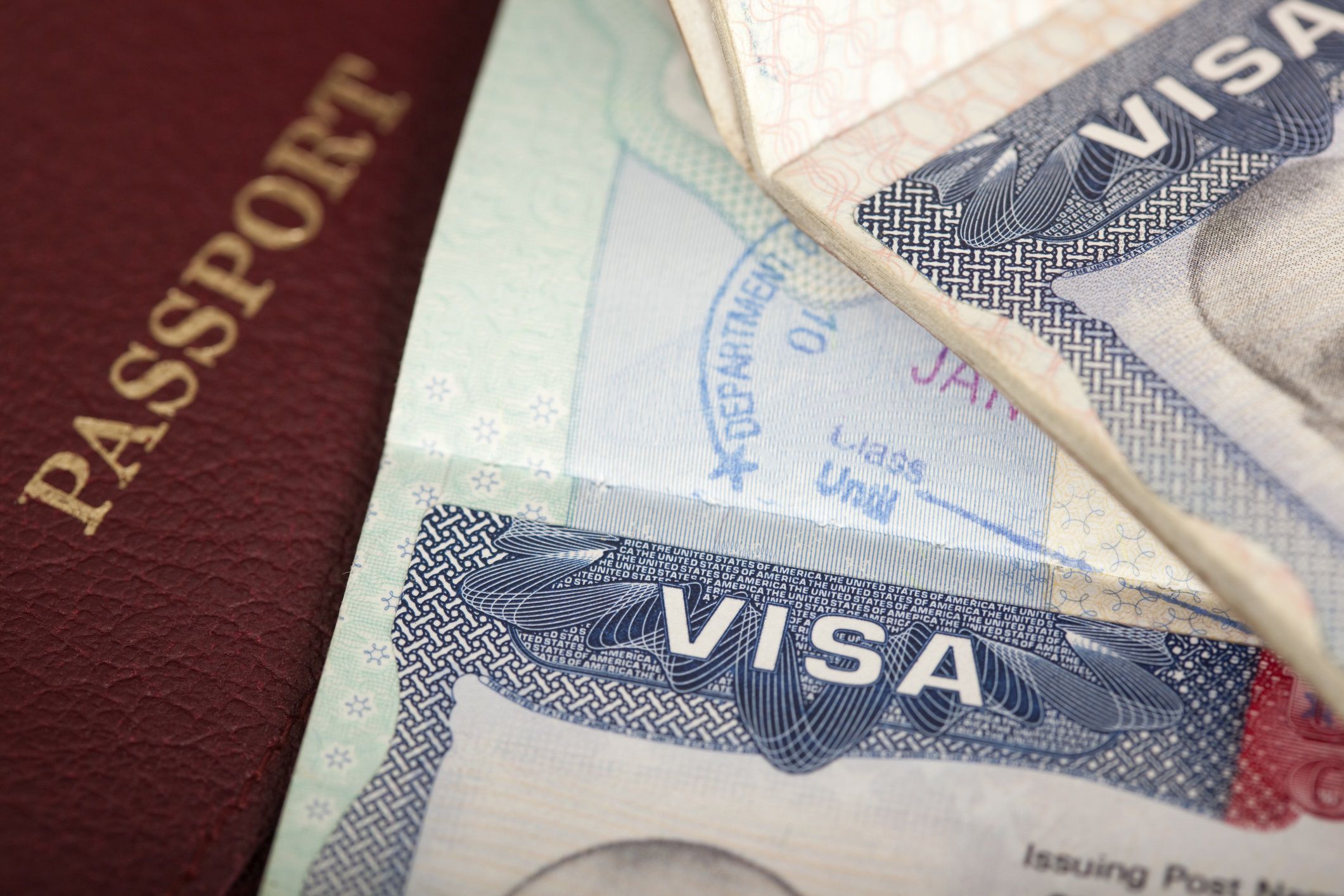
The U.S. Department of Homeland Security has proposed new rules to shorten visa validity for international students and journalists, sparking concern among universities and media professionals.
DHS Proposes New Visa Restrictions
The U.S. government, through the Department of Homeland Security (DHS), has announced a proposal to shorten the validity period of visas for international students and journalists.
Under the new rule, F visas for foreign students would be capped at a maximum of four years. Currently, students are granted visas for the full length of their academic programs, which often extend beyond five years, especially for doctoral studies.
For foreign journalists, the proposed rule would limit visa validity to 240 days, with the possibility of an extension for another 240 days. However, the total duration of a journalist’s visa could not exceed the length of their professional assignment.
Current Visa System vs. Proposed Changes
Traditionally, international students received visas that matched the duration of their academic programs. For example, a doctoral candidate could stay in the U.S. for six or more years without reapplying.
Journalists, particularly those from countries like Germany, were granted visas valid for up to five years. This allowed them to report from the U.S. without repeated disruptions.
The new proposal would change this system significantly. Any extensions would require applications through U.S. Citizenship and Immigration Services (USCIS), triggering additional security checks and potential delays.
Government’s Justification for the Changes
The DHS defended the proposal by arguing that long-term visas create security risks and financial burdens while also disadvantaging U.S. citizens.
“For too long, past administrations have allowed foreign students and other visa holders to remain in the U.S. virtually indefinitely,” the DHS said in a statement.
According to the agency, the new rules are designed to prevent visa abuse, strengthen oversight, and ensure that foreign nationals are only in the U.S. for legitimate academic or professional purposes.
Impact on International Students
The international education community immediately raised concerns about the rule. Universities warned that the proposal could discourage foreign talent from choosing the U.S. as their preferred destination for education.
Miriam Feldblum, president and CEO of the Presidents’ Alliance on Higher Education and Immigration, criticized the rule, saying it would place unnecessary burdens on students.
“The rule would force international students and scholars to regularly submit additional applications, disrupting their studies and straining university operations,” Feldblum said.
Concerns from Universities and Institutions
U.S. universities rely heavily on international students for cultural diversity, global partnerships, and financial stability. According to education experts, the proposed changes could make the U.S. less attractive compared to countries like Canada, the UK, and Australia, which offer more student-friendly visa policies.
Feldblum warned that the uncertainty surrounding visa renewals might deter top scholars and researchers from pursuing studies in the U.S., ultimately reducing the country’s competitiveness in science, technology, and research.
Impact on Foreign Journalists
The proposal also raises questions for the international press. Journalists working in the U.S. may face frequent visa renewal applications, adding bureaucratic hurdles and making it harder to report freely.
Media organizations argue that the new restrictions could weaken press freedom and strain relations with foreign media outlets.
Broader Implications for U.S. Policy
The U.S. has long positioned itself as a global leader in education and press freedom. However, critics argue that the new visa rules could erode the country’s global image by making it harder for international students and journalists to contribute.
Supporters of the proposal insist it will enhance national security and prevent overstays. Critics, however, say the move prioritizes restrictions over opportunity, potentially pushing international talent to more welcoming nations.
The Road Ahead
For now, the DHS proposal is still under review and will undergo a period of public comment before any final decision. Universities, media organizations, and immigration advocates are expected to lobby heavily against the changes.
If implemented, the rules would mark one of the most significant shifts in U.S. visa policy for students and journalists in recent years.
Conclusion
The DHS’s plan to shorten visa validity for international students and journalists has sparked an intense debate. While the government frames it as a move to improve security, universities and press advocates fear it could harm the U.S.’s reputation as a hub for global talent and free expression.
As discussions continue, the world will be watching closely to see whether the U.S. strengthens its global standing or risks losing its edge in education and journalism.
#USVisa, #InternationalStudents, #Journalists, #DHS #EducationPolicy, #StudentVisas, #ImmigrationNews, #PressFreedom,
-

-

-
-