By MUHAMMED DANBABA
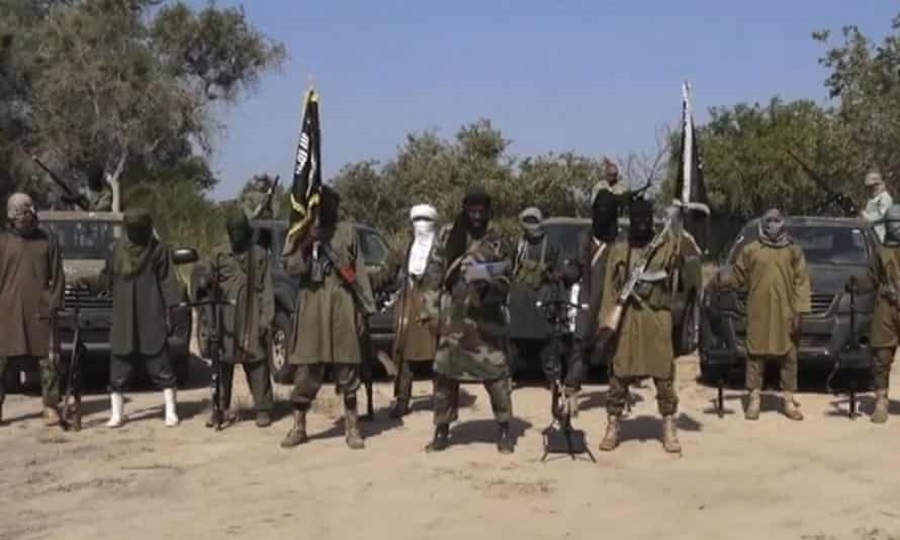
Kirawa, a farming community on the Nigeria–Cameroon border in Gwoza Local Government Area of Borno State, was thrown into panic on Saturday night when suspected Boko Haram terrorists stormed the town, abducting a young schoolgirl and wreaking havoc.
The victim, identified as Aisha Mohammed Aja, had recently completed her Junior Secondary School examinations before being taken away by the insurgents. Eyewitnesses reported that the attackers arrived on motorcycles, heavily armed, and opened fire indiscriminately, setting houses and vehicles ablaze. The assault triggered an exchange of gunfire between the terrorists and security forces stationed in the area.
Although calm has since returned and residents have resumed daily activities, community leaders are urging the Borno State Government and the Nigerian military to bolster security in the border region. They called for the creation of a permanent military brigade and increased patrols, warning that the lack of rapid response could embolden further attacks.
In a significant development, the Borno State Government has announced a new security initiative aimed at addressing the rising threats in border communities. State Governor Babagana Zulum revealed plans to enhance surveillance and increase the number of security personnel deployed in vulnerable areas. He emphasized the importance of community engagement in intelligence gathering to preempt future attacks.
Additionally, a task force has been established to expedite the search for Aisha Mohammed Aja and other victims of abduction in the region. The government is also collaborating with local stakeholders to provide psychological support for residents traumatized by the recent violence.
As the situation evolves, officials are urging residents to remain vigilant and report any suspicious activities to security forces.
The Borno State Government is considering a range of security measures to enhance safety in the region following the recent attack in Kirawa. These measures include:
- Increased Military Presence: Deployment of additional military and police personnel to high-risk areas to deter insurgent activities and provide immediate response capabilities.
- Community Policing Initiatives: Establishing partnerships with local communities to foster trust and encourage residents to report suspicious activities, enhancing intelligence gathering.
- Surveillance Technology: Implementation of drone surveillance and other technological measures to monitor movements in remote areas and provide real-time data to security forces.
- Mobile Security Patrols: Introduction of regular mobile patrols in vulnerable areas to increase visibility and quick response times in case of an attack.
- Strengthening Local Vigilante Groups: Training and equipping local vigilante groups to assist in community defense and provide localized security support.
- Improved Communication Systems: Enhancing communication networks between security forces and local communities to ensure rapid dissemination of information regarding threats.
- Safety Awareness Programs: Launching educational campaigns to inform residents about safety protocols and emergency response actions during attacks.
- Rescue Operations Task Force: Formation of specialized teams dedicated to conducting search and rescue operations for abducted individuals.
These measures aim to create a more robust security framework to counter the persistent threat of insurgent groups and ensure the safety of the local population.
-

-

-

-