By DAYO ADESULU
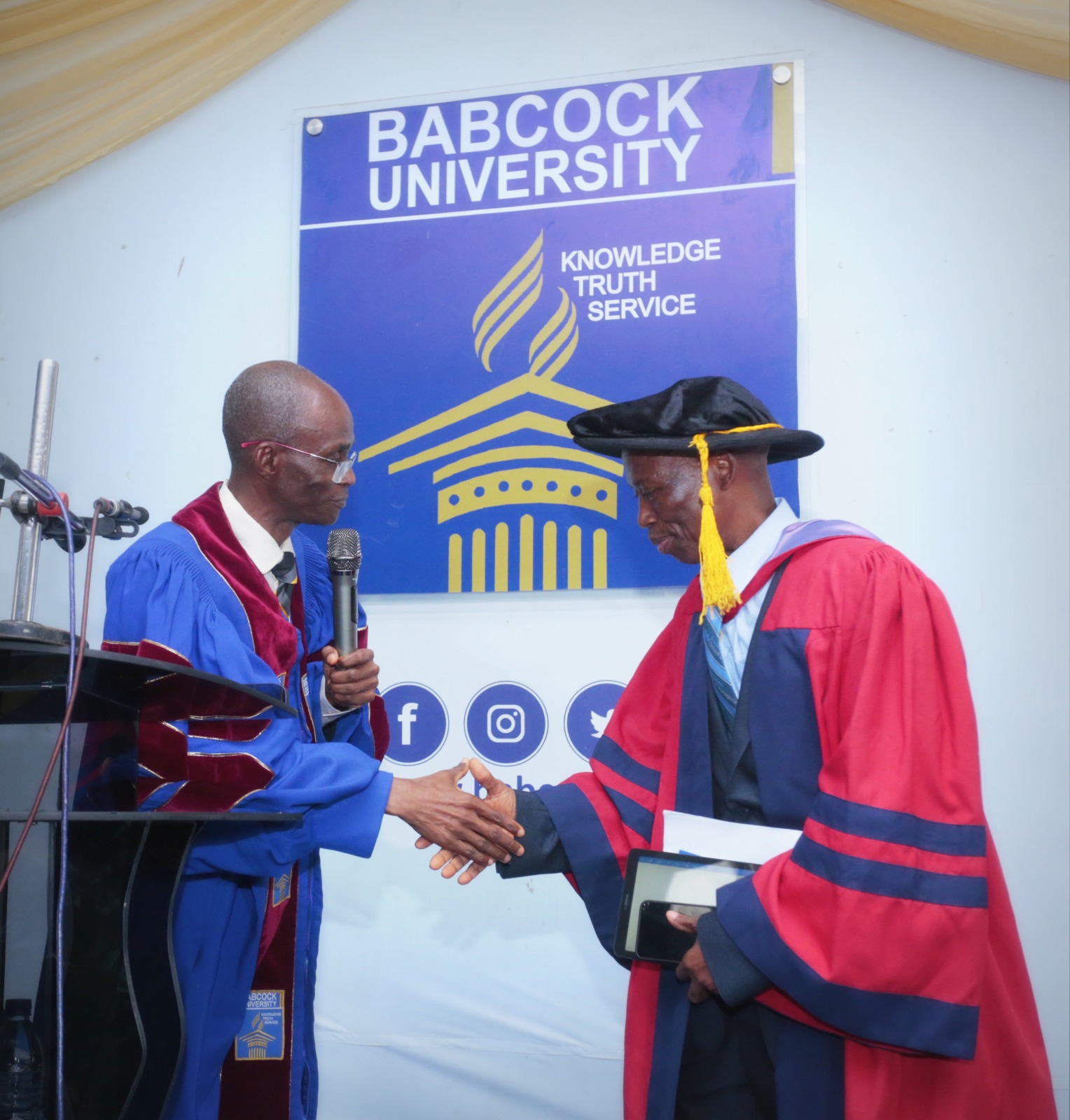
Ilishan-Remo, Ogun State – African Christianity must urgently undergo a “theological detox” to confront rising toxic doctrines, moral decadence, and spiritual manipulation threatening the continent’s future, according to Professor Efe Ehioghae of Babcock University.
Delivering the university’s 55th inaugural lecture, titled “Toxic Beliefs, Twisted Morals: The Urgency of Theological Detox in a Morally Disoriented Age”, Prof. Ehioghae cautioned that the church can no longer afford silence in the face of cultural conformity, false doctrines, and crumbling ethical foundations.
“We live in an age where wrong-headed beliefs have undermined the truth, and twisted morals now walk the streets as virtue,” he declared. “Theological detox is not a rejection of faith but a return to its authentic core – that truth convicts, liberates, and transforms.”
The professor stressed that African churches carry the responsibility of resisting corrosive teachings, confronting political corruption, and challenging prosperity-driven theology. He argued that silence from religious institutions only normalizes moral confusion.
Call for Curriculum Reform and Prophetic Leadership
Prof. Ehioghae proposed a revision of seminary and church curricula to emphasize sound biblical interpretation, contextual theology, and ethics modeled on the life of Christ. He said reform must begin from the pulpits and theological institutions, producing leaders shaped by humility, accountability, and service.
He further urged the church to reclaim its prophetic voice against exploitation, ethnic violence, and governance failures. “Only a renewed mind and purified theology can heal a fractured world and restore the moral integrity of the church,” he insisted.
Exposing Religious Manipulation
Condemning the culture of blind loyalty to spiritual authorities, Prof. Ehioghae warned that toxic beliefs thrive where religious leaders are idolized. He advocated dismantling unquestioned spiritual authority, promoting grassroots theological literacy, and integrating ethics into evangelism and discipleship.
He also called for the reclamation of holiness doctrine, intergenerational moral mentorship, and the development of African ethical theologies capable of shaping public life.
Theology Beyond the Pulpit
Prof. Ehioghae emphasized that theology must not remain an academic exercise or private affair. Instead, it should actively shape public conscience, influence governance, and guide societal transformation, particularly in areas such as public policy, environmental stewardship, and justice.
Concluding, he warned:
“The future of African Christianity depends on its ability to detox from toxic beliefs, reject twisted morals, and embrace theology that liberates, convicts, and transforms society.”
-
-
-

-